
 English
 Español
 Pусский
 العربية

系留无人机电源
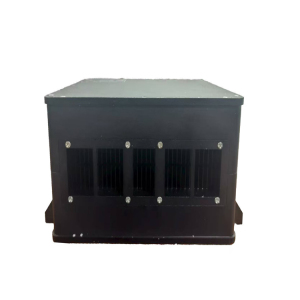
Tethered Drone Power Supply: A Comprehensive Overview Tethered drone power supply systems provide a reliable and continuous energy source for drones, enabling extended flight times and stable operations. Unlike battery-powered drones, which are limited by battery capacity, tethered systems use a physical cable to deliver power from a ground-based source to the drone, allowing for indefinite flight durations as long as the power supply remains uninterrupted. Key Components 1. Power Source – Typically, a ground-based generator, battery pack, or direct grid connection supplies electricity to the drone. The power source must be stable and capable of delivering sufficient voltage and current to sustain flight. 2. Tether Cable – A lightweight, durable cable transmits power and, in some cases, data between the drone and the ground station. High-quality materials ensure minimal power loss and resistance while maintaining flexibility to avoid tangling. 3. Power Management System – This regulates voltage and current to match the drone’s requirements, preventing overheating or power surges that could damage onboard electronics. 4. Drone Interface – The drone must be equipped with a power input mechanism that efficiently converts the supplied electricity to run its motors and onboard systems without interruption. Advantages - Extended Flight Time – Tethered drones can operate for hours or even days, making them ideal for long-duration missions such as surveillance, security, or telecommunications relay. - Stable Data Transmission – The tether can also facilitate high-speed, low-latency data transfer, improving real-time video feeds and command responsiveness. - Reduced Downtime – Since the drone does not need to land for battery swaps, operational efficiency increases significantly. - Enhanced Safety – A physical connection ensures the drone remains within a controlled area, reducing the risk of flyaways or signal loss. Applications - Security & Surveillance – Persistent monitoring of critical infrastructure, borders, or large public events. - Disaster Response – Providing uninterrupted aerial reconnaissance in emergency situations where battery swaps are impractical. - Telecommunications – Acting as temporary communication relays in remote or disaster-stricken areas. - Broadcasting – Supporting live event coverage with stable, long-endurance aerial footage. Challenges - Mobility Limitations – The tether restricts the drone’s range, making it unsuitable for wide-area exploration. - Cable Management – The tether must be carefully deployed to avoid entanglement or damage. - Power Efficiency – Energy loss over long cables can be a concern, requiring optimized power transmission solutions. Conclusion Tethered drone power supply systems offer a practical solution for applications requiring prolonged aerial operations. By eliminating battery constraints, they enhance reliability and performance in mission-critical scenarios. While they have limitations in mobility, their benefits in endurance, stability, and safety make them a valuable tool in various industries. Future advancements may focus on improving cable materials, power efficiency, and hybrid systems combining tethered and untethered capabilities.
产品
分类:
系留无人机电源
新闻
分类:
-
[Company News]系留无人机的终极指南:它们是如何工作的,为什么你需要一个
2025-11-07 13:53:50 -
[Industry News]系留无人机功耗监测与分析
2025-11-07 14:50:28 -
[FAQ]用于电信领域的系留无人机电源系统核心技术要求
2025-11-08 09:25:15 -
[FAQ]系留无人机电源线要求介绍
2025-11-08 09:28:31 -
[FAQ]系留无人机电源的未来
2025-11-08 09:40:26 -
[Company News]系留无人机系统扩展了连续空中监控的能力
2025-11-17 17:04:45 -
[Company News]创新的系留无人机平台可实现持续的机载覆盖
2025-12-08 17:15:40 -
[FAQ]Rising Demand for Tethered Drone Technology Drives Industry...
2025-12-16 17:17:37
案例
分类:
暂无搜索结果!
视频
分类:
暂无搜索结果!
下载
分类:
暂无搜索结果!
招聘
分类:
暂无搜索结果!



 Whatsapp
 电话
电话